- شرکت های بیشتری از جمله PayPal و Xbox در حال پذیرش بیت کوین و سایر ارزهای رمزپایه به عنوان پرداخت هستند. دیگران گزینه های خود را وزن می کنند.
- معامله گر سیستم های نهایی
- بوستون علمی: ثبت نام اولین بیمار را در مطالعه تنگی خوش خیم از Wallflex (R) استنت RX RX اعلام می کند
- شاخص PSU در آستانه شکست: 4 ایده سهام که می توانند تا 206 ٪ تجمع کنند
- معرفی مبادله MXC و بررسی ویژگی های آن
- شاخص های فنی
- بررسی تبادل Cryptocurrency Okex و راهنمای کاربر
- نوسانات نرخ ارز چگونه بر سرمایه گذاری شما تأثیر می گذارد؟
- معامله گران میلیونر
- حساب نسخه ی نمایشی Bdswiss

آخرین مطالب
امکانات وب


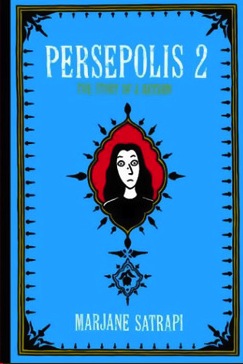
حذف اخیر Persepolis Marjane Satrapi از برخی کلاس های درس در مدارس دولتی شیکاگو توجه بسیاری را به خود جلب کرد. اگرچه برای اولین بار به نظر می رسید که تمام کتاب ها حذف می شوند ، معلوم شد که منطقه مدرسه فکر دوم در مورد آموزش آن را به دانش آموزان هفتم داشته است ، عمدتاً به دلیل یک صفحه واحد که شکنجه را نشان می دهد. برای این میزگرد ، من به دو وبلاگ نویسان خوب برای کودکان و نوجوانان که در کار با Tweens و Teens تخصص دارند ، پیوستم: رابین برنر ، که کتابخانه نوجوان در کتابخانه عمومی بروکلین در بروکلین ، ماساچوست و استر کلر است ، که هستند. کتابدار در JHS 278 ، پارک دریایی ، در بروکلین ، نیویورک.
برای ادامه خواندن این پست پیمایش کنید تبلیغ تبلیغ
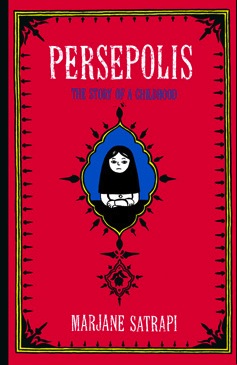 Brigid: Does Persepolis seem like a good choice for 12- and 13-year-olds? In terms of the themes and storytelling, is this something seventh-graders can relate to, or is it over their heads? Robin: As Persepolis follows the years from age 10 to 14 for Marjane, I do believe that this is a title that would engage 12- and 13- year old readers. Whether it should be taught in the classroom is a more difficult question for me to answer, as my main experience is a public librarian, and we have very different rules in terms of what we collect. Looking at the other titles suggested on the Chicago Public School’s toolkit for teaching 7th grade, there are other similarly provocative titles included in their prose choices, including Monster by Walter Dean Myers (during which a teen is held in juvenile detention for his alleged participation in a robbery that led to murder) and Hole in My Life (Jack Gantos’s memoir of his tangles with the illegal drug trade and short stint in prison toward the end of his teen years). If these texts are indeed being taught to seventh graders, it seems unfair to pull out Persepolis for being any more shocking or for presenting tough ideas. Ultimately, I think this kind of tale might even best be discussed in a classroom for students this age, rather than reading solo, precisely because a teacher is present to frame the work. Teachers can then help students understand the context for the work and deal with any questions or conces they might discover in the reading. However, I could also say that it might be best read with an adult co-reader—whether that be a parent or a teacher. Esther: From a collection development point of view, the book is reviewed as an adult or an adult/high school book. I did include it in my collection, but I remember that I was a bit hesitant, because the content is on the mature side. Then we had visitors come to our school and they asked me if I owned the title. I was a bit more relaxed about my decision after they seemed pleased that I had included it. I view Persepolis as a title in the same category as Maus and Barefoot Gen. All are important titles. All tell about truths that we should be teaching students in middle school (and we do). But all the comics have some images that might be disturbing or difficult for a young audience. My gut tells me that this isn’t a title for 7th grade. I remind you, I’ve been working in a middle school for 10 years now. I might not be an expert, but I do know the age well. They’re not all that mature. And while I wouldn’t exclude it from a school library, I don’t know that it’s an appropriate classroom choice. But then again, I advocated for Maus to be taught in the classroom, and the same argument could be made for that title… So, I’m on the fence. I’ll also add that these titles are rarely checked out by my students. They’re not hugely popular. Robin, you mentioned titles included in the curriculum, Monster, by Walter Dean Myers, and Hole in My Life. I’ve always considered these titles a bit on the mature side, though again, they’re included in my library. But graphic storytelling is much more in your face than prose. Our brain might build a picture, but it can also gloss over the words the author is trying to give us as a defense mechanism. You can’t really do that with a comic. Robin: Esther, I do definitely see your point, and I know for many folks images have at least a very different, and immediate, impact that prose does not. A teacher colleague of mine says she explains it that it’s not that images have more impact, but they have impact faster. Prose gives us a little distance in understanding the words, but visual literacy is becoming (if not already is) just as important as prose literacy. Being able to parse and be critical of images is more and more vital, and more and more necessary to navigating the world. We are going to be confronted with images that are shocking or upsetting, and we are already exposed to so many images from childhood on. I am more and more convinced that being overly cautious about presenting difficult images to younger readers is a disservice to them. They desperately need to be able to understand and then think through the mechanisms of visual symbols, narratives, and media. I also speculate that the gap of impact between words and images is changing or, at least, becoming equally important to lea about, in a world saturated by television, film, videogames, and comics. I know from talking to readers that some are more frightened by prose than images. For them, conjured images are more upsetting because imagination is specific to that reader’s fears, whereas presented images are concrete and less specific. The substantial impact on a reader is precisely why Satrapi told her story in this medium. As with prose, readers gain empathy in reading stories told in the comics format, which may be why memoir is particularly powerful when presented in the format. For students in the US, Persepolis is such a strong example of a text providing a window (rather than a mirror) to teens’ experiences and is a vital text for expanding teens’ sympathy, empathy, and understanding of people outside their immediate world. The question remains if in this case the schools are being overly cautious or appropriately cautious, but I would argue they are being overly so. Brigid: Looking at the page in question, do you think one disturbing image should be sufficient to remove a book from a group of readers? To what extent does context mitigate that? Esther: I think that’s an excellent point. It’s been a really long time since I read Persepolis, and I only read the first volume. I barely recalled this part. Looking at the images again, (they were published in second article linked above) out of context, it’s quite disturbing, but when I read the book, those images were a small part of a whole. In context they were less disturbing—though the ideas are disturbing and they are meant to be disturbing. After all, we are talking about the torture and murder of a citizen by his govement. But as Robin said before, it’s one snippet of a story that’s over 300 pages long! Robin: I agree that, as with any reading, it has to be taken in context, and this one image in a 300-plus-page book made up of many more panels and pages must be taken in context. One of the most frustrating aspects of any title being challenged is that one word, one scene, or one idea is often pulled out as the cited reason for the challenge. Leaving the word, scene or idea without any sense of the reason that item appeared in the narrative makes it impossible to judge its appropriateness. I also think of Persepolis as being disturbing at points, but truthfully so, necessarily so, for readers to understand and empathize with the story being told. I never felt it was excessive or gratuitous, and I don’t think that one image should be the cause of removing the entire book. Brigid: I think one of the questions I always have when I look at a book is “Who is this for?” This book looks at life from a child’s perspective, and I think that is what makes it age appropriate. The page in question depicts violent acts but not in a gory or scary way. What’s scary is the society that Satrapi lives in, the society that commits these acts. And I think that Persepolis is written in a way that is very accessible to 12-year-olds. There’s nothing there they wouldn’t understand (except what the heroine herself doesn’t understand), and there’s a lot for them to relate to. Esther: Brigid, while I don’t think that Persepolis isn’t accessible for 12-year-olds, I do believe it was written for adults. Brigid: One interesting angle to this story was the distinction between classroom copies and library copies of the book—even as the books were being physically removed from classrooms, administrators were cautioned not to take them out of the libraries. How is the dynamic different between classroom and library books, from a policy and a user standpoint? Esther: I think the biggest difference is choice. I don’t force students to borrow books from the library. Generally no teacher tells their students, “Johy, you have to borrow such and such title.” They might say, “Johy get a book today!” but they don’t force a specific titles on their students. In class they are forced to read whatever the teacher is telling them to read. So they don’t have the option to tu the title down if it’s too much for them. Readers always self censor, but in the classroom that choice is taken away from them. Brigid: I agree, Esther, and I think that’s the key here. So how is this classroom challenge different from a library challenge? Esther: If the challenge was to reverse itself on a curriculum decision, then I don’t believe it’s actually a “challenge.” I mean, in my school, we have rooms of class sets of novels we no longer teach. Are we censoring those titles? Or did we rethink those titles? Teachers get bored. Curriculum needs and standards change. Our student population changes. One year, a group of 7th graders might be super mature. The next year, the 7th graders might be very immature. So if students still have ready access to the title, is it censorship? Darius, in his article, said it so well! “But while we’re being clear, let’s admit that, while this action may constitute censorship, this probably wouldn’t have been an issue had Chicago curriculum not originally included and approved the graphic novel. Schools routinely make such decisions, determining grade-level appropriateness, and such decisions don’t tend to get a lot of attention. What can get a lot of attention is when a school seems to reverse itself, as is the case here. If you censor from the start, no one seems to care; it’s when you reverse yourself that howls of censorship tend to appear. “ Robin: I agree entirely with what Esther has said—there is a difference between censorship and collection management. I think that what is bothering everyone is that the title is being pulled after already having been taught and included for this age group and above. While we don’t know exactly what has happened, it does smack of the traditional challenge trope: One person raises an alarm not at the basic level (i.e. with a teacher) but at a higher level (i.e. an administrator), the administrator (without the immediate experience of the teacher and/or librarian who has worked with the challenged text) decides to pull a title, and everyone is left wondering why and how this happened, since it was not handled the way challenges are set to be handled—with a reconsideration process and often a committee of people making a decision rather than just one.
  Brigid: Do you have any thoughts about what spurred this action? Esther: I’m really confused as to what started this. Furthermore, I’m confused, because if you look at the original e-mail it looks like it says that it was directed at the libraries, not just the classroom. Even though I’ve read quite a few articles, I’m still about confused about this part. Robin: I’m equally confused! I fear we may never know—I get the impression that a lot of this has been unfortunately worded and handled before it ever hit the papers, and now the various tuarounds on what had been directed and will be directed is just muddying what the original intent even was. I know the educators and librarians in Chicago must be desperate for clarification! Brigid: What do you think of the way the school district handled this? Esther: They’ve probably had better days. But the Chicago Tribune article indicates that the books are back in the library. And the matter was resolved pretty quickly, so I wonder if this was really a miscommunication. If not, perhaps it was very fast back-pedaling. But even so, I don’t think there was time for the books to leave the shelf.
برای ادامه خواندن این پست پیمایش کنید تبلیغ تبلیغ
رابین: برای من ، از نظر من کمی ساده لوح است که فکر کنند کلمه چنین عملی پخش نمی شود و به سرعت پخش می شود. من شرط می بندم که غرایز خوب بودند-برای در نظر گرفتن و شاید دوباره ارزیابی یک عنوان خاص برای استفاده در کلاس-اما نحوه برخورد با آن گیج کننده بود ، برای بسیاری از کارکنان نگران کننده بود و در سایه ها خیلی زیاد انجام می داد. حداقل با انجمن های عمومی در طول چالش ها ، اعضای جامعه از جمله مربیان ، کتابداران ، دانش آموزان و والدین مجاز به شرکت در آن هستند. هنگامی که چیزی که در پشت درهای بسته اتفاق می افتد ، مشخص می شود ، این باعث می شود تا همه افراد به دلیل خلاء اطلاعات قابل اعتماد ، به گمانه زنی ها از همه طرف آسیب برساند. Brigid: جولیان داریوش خاطرنشان می کند که مدارس تصمیم می گیرند همیشه کتاب ها را درج کنند یا از آن خارج کنند. این حادثه فقط توجه را به خود جلب کرد زیرا منطقه پس از حضور در کلاس در کلاس ، نظر خود را تغییر داد. آیا فکر می کنید حوادثی مانند این باعث می شود که ولسوالی های مدرسه از ترس از توهین به والدین و به چالش کشیدن کتاب های دیگر ، در آینده انتخاب های محافظه کارانه تری انجام دهند؟استر: ولسوالی ها قبلاً محافظه کار هستند. این روزها ، من از مدرسه ای نمی دانم که از بدن والدین آن نترسد. والدین بر مدارس حاکم هستند ، اگرچه من فکر نمی کنم این حادثه توسط والدین تحریک شده باشد. من فکر می کنم توسط یک بازپرس بدخلقی تحریک شده است. اما من به شما می گویم ، فکر نمی کنم این عنوان برای کلاس 7 باشد. و من می گویم 50 ٪ از این چالش ها به دلیل سیاست های ضعیف توسعه است.

رابین: من فکر نمی کنم این یک روند جدید باشد - فکر می کنم مدارس بیشتر از طرف محافظه کار اشتباه می کنند و مدتی خوب دارند. من معتقدم که دید روزافزون رمان های گرافیکی در ده سال گذشته باعث شده است که آنها به یکباره یک نوع عنوان پیشتاز را شامل شوند ، و در نتیجه برای دانش آموزان و معلمان به طور یکسان هیجان انگیز و جذاب است ، بلکه همچنین میله های صاعقه برای سوء تفاهم و کلیشه ها در مورد این قالب باعث می شودقابل مشاهده (و در نتیجه خبرنامه) در یک جامعه تحریک می شود. من می ترسم که وقتی یک رمان گرافیکی به چالش کشیده می شود ، این حادثه بیش از این که لزوماً بیش از چالش های دیگر برای انواع دیگر کتاب ها اتفاق می افتد ، گزارش می شود. Filed Under: رمان های گرافیکی ، میزگرد
اشتراک گذاری:
درباره Brigid Alverson
Brigid Alverson ، سردبیر وبلاگ Good Comics for Kids ، از 4 سالگی در حال خواندن کمیک است. اکنون او دستیار شهردار Melrose ، ماساچوست است. او علاوه بر ویرایش GC4K ، در مورد رمان های کمیک و گرافیکی در Mangablog ، Sljteen ، ناشران Weekly Comics World ، منابع کمیک بوک ، MTV Geek و Good E-Reader. com می نویسد. بریگید با یک فیزیکدان ازدواج کرده است و دو دختر در کالج دارد ، به همین دلیل او خیلی می نویسد. او قاضی جوایز آیزنر 2012 بود.
پلتفرم معاملاتی فارکس...
ما را در سایت پلتفرم معاملاتی فارکس دنبال می کنید
برچسب :
نویسنده : مرجان محتشم
بازدید : <-PostHit->
آرشیو مطالب
خبرنامه
